Driving with Low Vision: How Special Glasses Can Keep You on the Road
We’ve helped many Nebraskans stay behind the wheel safely and legally—even after they were told it wasn’t possible. Driving represents freedom, routine, and connection. Losing that independence can be devastating. But thanks to low vision rehabilitation and specialized driving aids, it doesn’t have to be your only option.
Low vision doesn’t mean no vision. With the right support, driving can still be a safe and empowering part of your life.
How Low Vision Affects Driving—and What Can Be Done
Safe driving depends on more than just seeing clearly — it’s about how you use your vision in motion.
The Challenges of Driving with Low Vision
Low vision makes it harder to see road signs, recognize pedestrians, judge distances, or navigate changing light conditions. Whether it’s due to macular degeneration, glaucoma, or another condition, reduced vision can limit your ability to meet the state’s vision requirements for a standard license.
But this doesn’t mean driving is off the table.
Enter Bioptic Telescopic Glasses
One of the most effective solutions for drivers with low vision is bioptic telescopic glasses. These glasses combine regular lenses with a small telescope mounted above the main line of sight. Drivers use their normal lenses most of the time but can “dip” into the telescope to read signs, spot traffic lights, or identify hazards at a distance.
With training and certification, bioptic users in Nebraska can often qualify to keep — or regain — their license.
State Regulations Vary—So Know the Rules
In Nebraska and many other states, bioptic driving is allowed with special certification. You may need a vision assessment, a certified training course, and an exam showing you can drive safely using the device. At Low Vision of Nebraska, we guide our patients through each step of the process so they understand the requirements—and their options.
How We Help Drivers at Low Vision of Nebraska
Our mission is simple: to help you stay safe, confident, and mobile.
Comprehensive Low Vision Evaluation
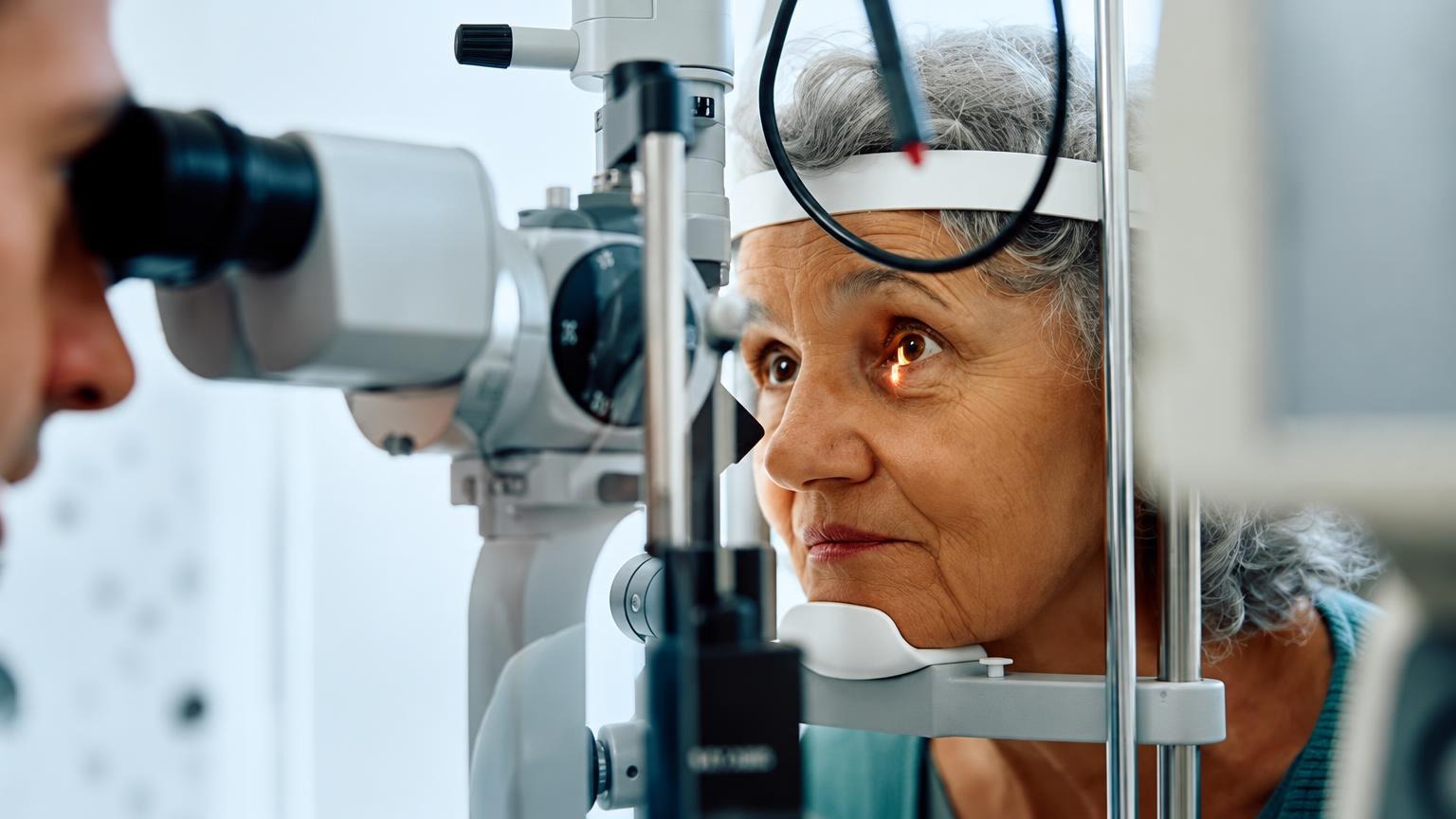
Every driving plan begins with a low vision consultation. At Low Vision of Nebraska, Dr. Rob Stamm takes the time to assess your remaining vision, your eye condition, and your unique goals. We use specialized tools to determine whether you’re a good candidate for driving aids like bioptic telescopes or side-vision awareness glasses.
It’s not just about qualifying for a license — it’s about supporting your confidence behind the wheel.
Personalized Training & Device Selection
If you’re a candidate for bioptic driving, we’ll guide you through every step — from device selection to custom fitting and usage training. You’ll learn how to switch focus between the lenses, judge distances with your new device, and navigate safely in real-world scenarios.
Our eye doctor, Dr. Rob Stamm, is part of a national network of low vision specialists, so we bring tested techniques and real experience to every case.
Restoring Confidence, Not Just Vision
We understand how hard it is to consider giving up driving. That’s why we focus on restoring both visual ability and emotional independence. Our patients tell us they feel empowered, respected, and hopeful again—and that’s what keeps us going.
Request a Low Vision Driving Evaluation in McCook, NE
If your vision has changed, don’t assume you’ve reached the end of the road.
Call us at (877) 393-0025 or book an eye care appointment online to learn how bioptic telescopes and other low vision aids can help you stay safe and independent. Driving with low vision is possible—and we’re here to help you prove it.
