Telescopic Eyeglasses: A Life-Changing Tool for Low Vision
Picture this: you’re standing in your kitchen in McCook, holding a recipe card you’ve used for years. You’ve made this dish dozens of times. But today, the words blur together. You grab your glasses, but they don’t help. You squint, tilt your head, and move closer to the window—still nothing.
At Low Vision of Nebraska, we work with people who’ve been told, “nothing more can be done.” One of the most effective tools in our low vision toolbox is bioptic telescopic glasses, a special type of low vision eyewear designed to restore functional sight for reading, driving, working, and more.
What Are Telescopic Glasses?
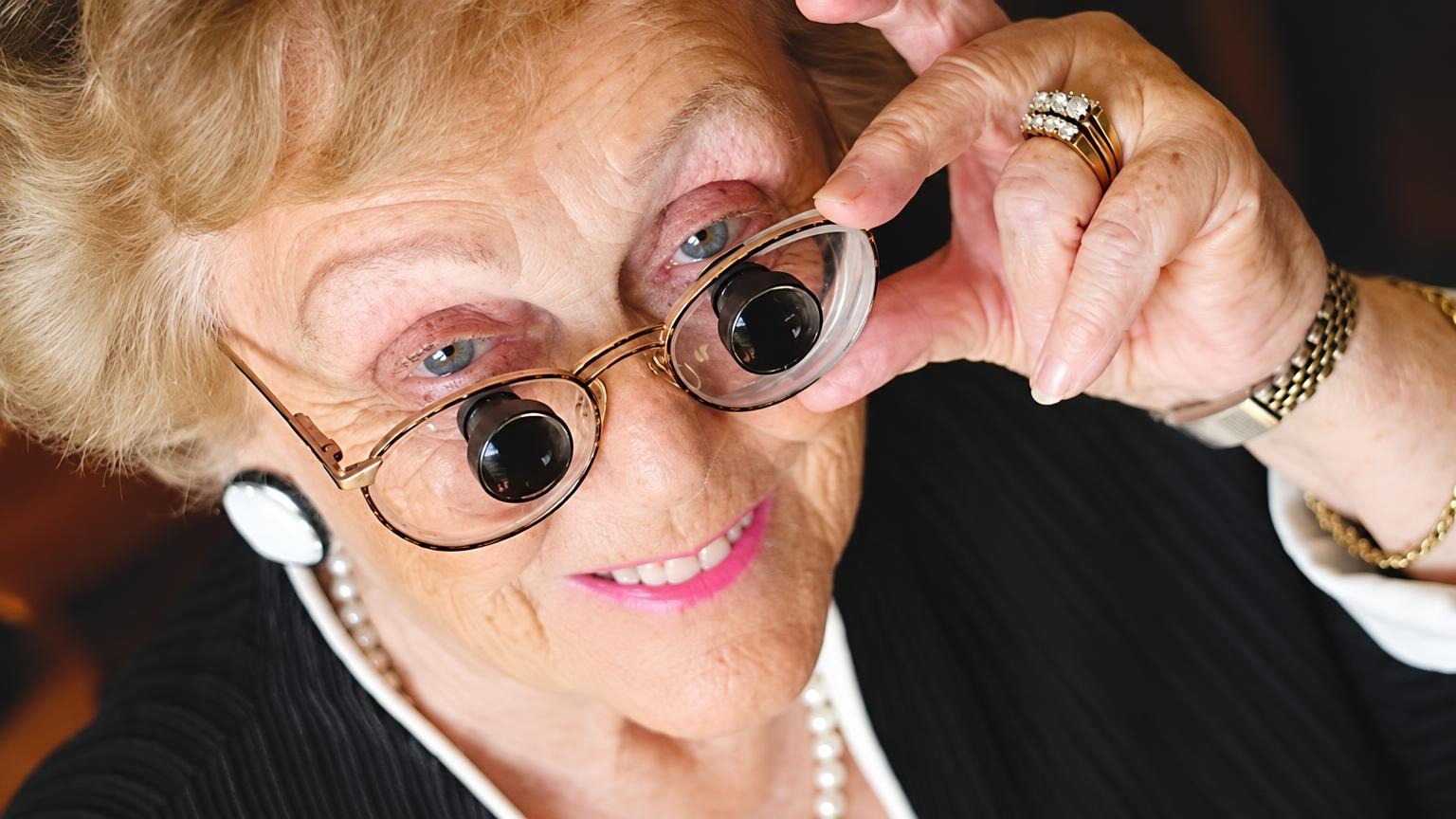
Telescopic eyeglasses, also known as low vision telescope glasses, are wearable devices that combine traditional eyeglasses with miniature telescopes. These telescopes are mounted on the lenses and positioned so that patients can look through them as needed.
Most of the time, patients look through the regular part of the lens, and when more detail is needed, they can dip their chin slightly to look through the telescope. They are often recommended for patients with:
- Macular degeneration
- Retinitis pigmentosa
- Diabetic retinopathy
- Glaucoma
- Stroke-related vision loss
- Optic atrophy and more
These glasses come in various forms, including full-diameter telescopic lenses and bioptic telescopes, which are mounted at the top portion of the eyeglass lens for quick switching between distance and near vision.
Types of Telescopic Eyewear: What’s in the Toolbox?
There’s no one-size-fits-all solution when it comes to low vision, which is why the eye care team at Low Vision of Nebraska offers a personalized approach for every patient. Depending on your diagnosis, lifestyle, and visual goals, our low vision eye doctor may recommend one or more of the following:
1. Bioptic Telescopic Glasses
These glasses feature a small telescope mounted at the top of the lenses. They are often prescribed for driving, allowing patients to spot road signs or traffic signals by briefly glancing through the telescope.
2. Full-Diameter Telescopic Lenses
These offer a full-field magnified view and are used for stationary activities. They’re commonly used for watching television or viewing stage performances from a distance.
3. Reading Telescopes
Reading telescopes provide strong magnification for close-up tasks. They are ideal for reading books, newspapers, or mail.
4. Side Vision Awareness Glasses
These lenses are designed to expand peripheral vision. They help patients with narrowed visual fields safely navigate their surroundings.
5. E-Scoop Glasses
E-Scoops are designed to reduce glare and improve contrast, especially in bright environments. They can be worn alone or paired with other low vision devices.
6. Reverse Telescopes
Reverse telescopes shrink the image to bring more of the visual field into view. This is especially helpful for patients with severe peripheral vision loss or tunnel vision.
Telescopic Glasses in Action: Real Possibilities for Real People
Low vision devices aren’t just about seeing better; they’re about living better. We’ve worked with:
- Seniors who want to keep cooking meals for their grandchildren
- Farmers who need to spot details across wide fields
- Teachers who rely on classroom whiteboards
- High school students preparing for driver’s education
- Book lovers who simply miss the printed page
If you’ve been told “you’ll just have to adjust,” it’s worth getting a second opinion from a low vision optometrist who fits telescopic eyeglasses on a daily basis.
See the Possibilities with Low Vision Eyewear in McCook, NE
Losing vision doesn’t mean giving up the things you love. With the proper support, including bioptic telescopic glasses and a dedicated care team at Low Vision of Nebraska, many visually impaired patients discover they can do far more than they thought possible.
If you live in McCook and want to know if telescopic eyeglasses are right for you or a loved one, book your next eye exam at Low Vision of Nebraska.
Telescopic Eyeglasses for Low Vision FAQs
What are telescopic lenses used for in low vision?
Telescopic lenses help patients with reduced central or peripheral vision see distant or small objects more clearly. They’re often used for driving, reading, and other daily activities.
Can bioptic telescopic glasses help me drive?
Yes, many states allow driving with bioptic telescopic glasses if the wearer meets specific vision criteria. A low vision exam will determine if you’re a good candidate.
Does insurance cover telescopic eyeglasses?
Most insurance plans do not cover low vision devices. However, we’ll work with you to learn more about your options and prioritize cost-effective solutions.
