Smiling older woman resting her head on her hand at home

Low vision solutions that enhance people's lives.

Your Local Optometrist & Private Practice in McCook, Nebraska

When your medical eye doctor says, “nothing more can be done,” contact a low vision optometrist. Low Vision of Nebraska is one of over 40 optometrist practices in North America that has helped thousands of low vision patients live independently, fulfilling lives after others told them it wouldn’t be possible.

Thanks to the doctor’s knowledge, dedication, and experience, patients can do what they enjoy: drive, read, work, play, cook, or recognize people’s faces.

Call for a personal consultation and find out if you are a candidate for low vision glasses.
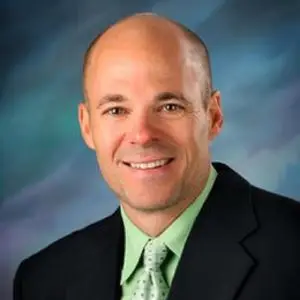
Dr. Rob Stamm

Dr. Rob Stamm

optometrist

helping you live your best life

What is a Low Vision Optometrist?

Our goal is for you to reclaim the ability to carry out tasks that are important to you. Such an activity could be driving a car, reading the paper, recognizing faces, watching TV, playing cards or board games, cooking, and anything that matters in your life.

As a member of the International Academy of Low Vision Specialists (IALVS) – a network of low vision optometrists – Dr. Rob Stamm intensively studied low vision care. We are committed to maximizing our patient’s vision and help them live their best lives.

keep your eyes on the possible

Causes That Lead to Low Vision

Low vision is an eye condition that cannot be corrected with conventional eyeglasses or contact lenses. Its causes are usually due to injury, disease, or genetics and include:

Serving patients in Denver, McCook, Colorado Springs, and throughout Nebraska.

  • Macular Degeneration: Wet or Dry
  • Juvenile Macular Degeneration (i.e., Stargardt’s disease, Best disease, etc.)
  • Diabetic Retinopathy – a complication of diabetes affecting eyesight
  • Retinitis Pigmentosa – leads to contraction of the visual field
  • Glaucoma – damage to the optical nerve due to inner eye pressure
  • Cataracts – a clouding of the eye lens
  • Hemianopsia – the loss of part of the visual field
  • Albinism – the lack of pigments in the back of the eye
  • Other Vision-Limiting Conditions
Smiling older couple wearing sunglasses playfully splashing in shallow ocean water at the beach

Read Our Patient Testimonials


A Low Vision Optometrist's Tool Box

Genuine care and hands-on advice are our primary ingredients to ensuring complete low vision services. Talk to your low vision expert in McCook about your concerns, and we will help optimize your surroundings to accommodate your visual needs better. As an example, improved lighting makes a significant difference for many eye conditions.

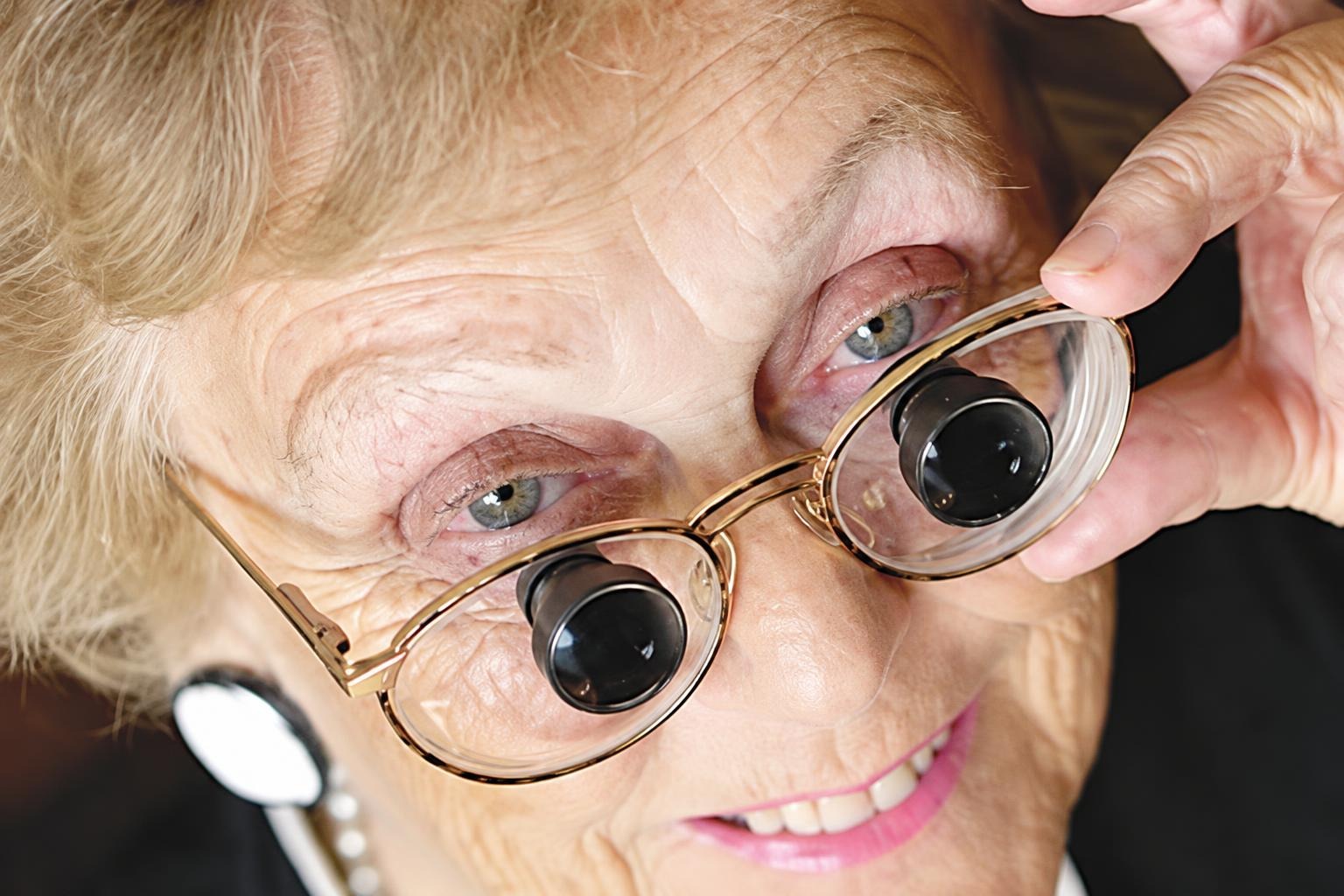
Low Vision Glasses

The advantage of glasses is that they allow you to be mobile and use your hands freely. Many patients have kept their driver's license and independence thanks to bioptic telescope glasses, E-Scoop glasses, or side-vision awareness glasses. Theater lovers can benefit from full-diameter telescope glasses to enjoy performances. Prismatic glasses are primarily used for reading.

These are only a few of the many low vision glasses available for low vision patients. Dr. Rob Stamm will help you to find the best solution for you.

Low Vision Aids and Devices

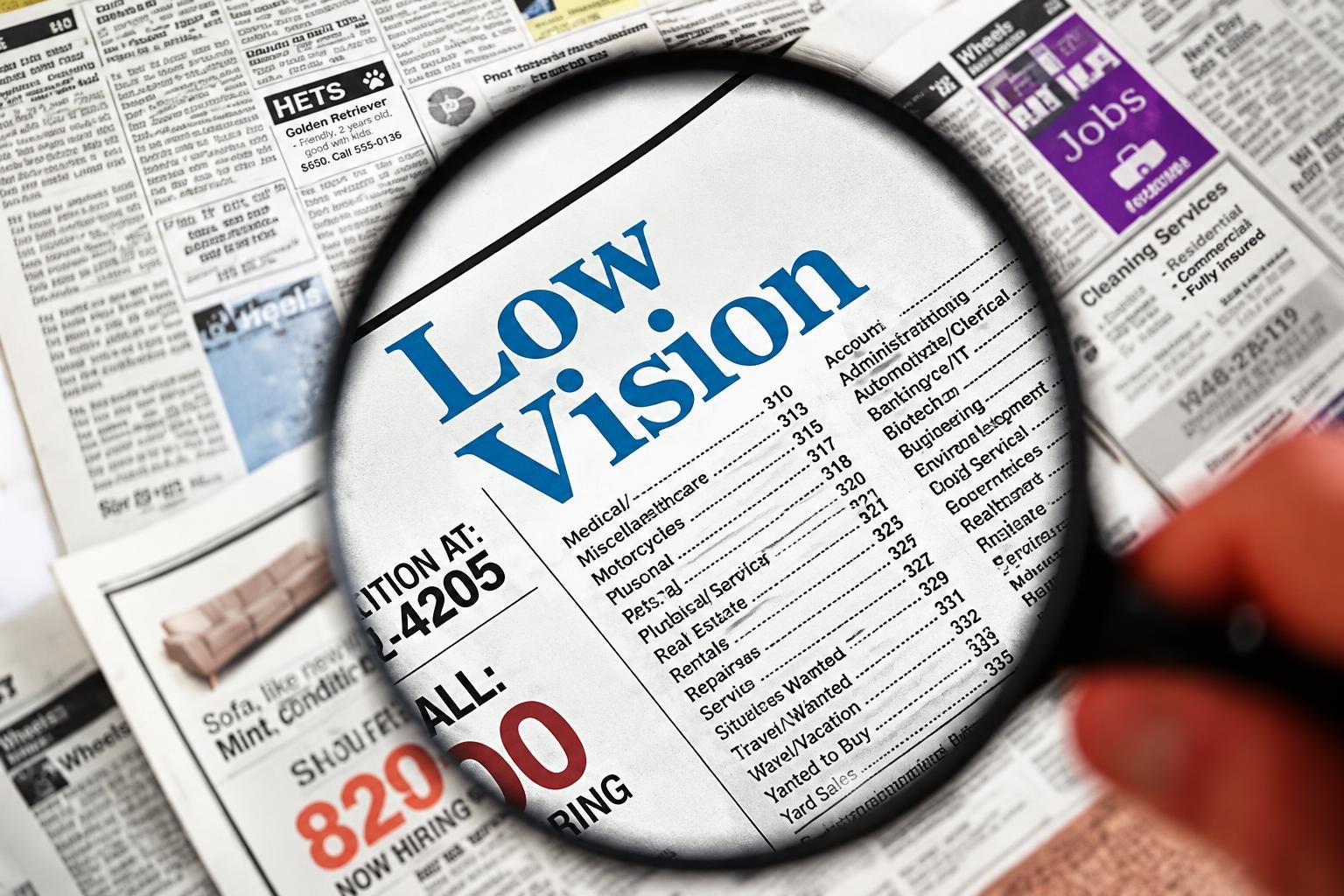
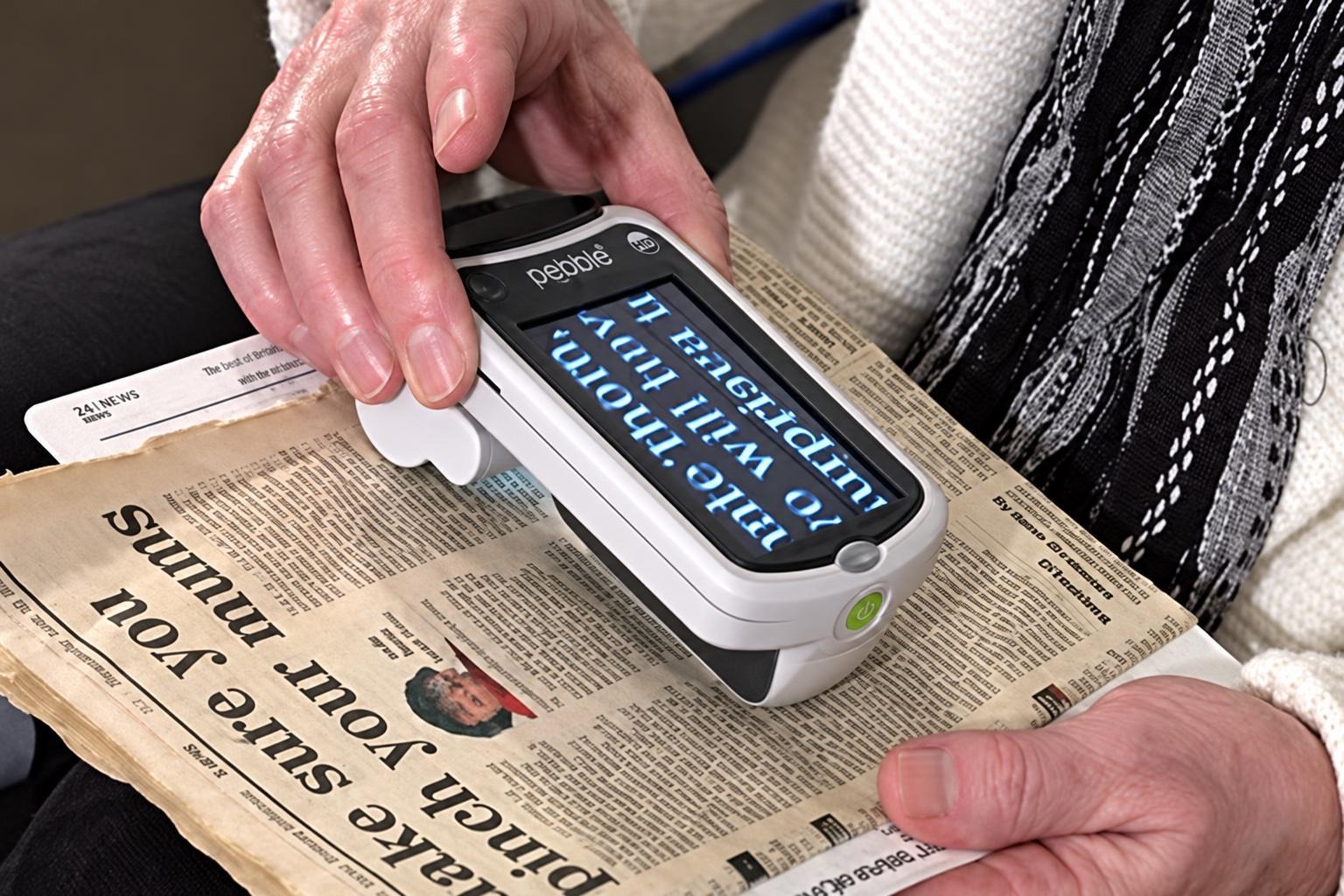
Magnification is key for optimizing vision. Closed-circuit television (CCTV), video magnifiers are available as hand-held devices or as a stand-mounted version. You can install special software to enhance contrast and colors on your computer screen. Other software can increase the font size to whatever is comfortable for you.

Advanced equipment utilizes virtual reality, image processing algorithms, or audio feedback to assist with almost any task you want to accomplish. Go for it!

Locations & Directions


Low Vision of Nebraska

Phone: (877) 393-0025

218 W D St
McCook, NE 69001
Younger person gently holding an older adult's hands at a table with eyeglasses nearby

Read Our Helpful Articles


Low Vision Bioptics

Low vision glasses help you regain your independence. With the help of new technology, eye doctors are now able to help patients live with the vision loss associated with certain eye diseases.

Older woman smiling while holding eyeglasses in front of her face

Low Vision Aids

Low vision aids help those with impaired vision to maximize their usable vision. Doing so allows them to maintain or regain as much independence as possible, and boosts their quality of life.

Two smiling women embracing outdoors

Low Vision Eye Diseases

Though commonly associated with seniors over the age of 60, low vision can also affect children and adults of all ages. Certain birth defects or medical conditions can cause low vision and negatively impact the quality of life.

Bearded man wearing glasses reads a newspaper on a park bench

How Can I Read If I Have Retinitis Pigmentosa?

Vision loss due to retinitis pigmentosa (RP) can make it difficult to read text, especially fine print. Low vision aids and glasses can help restore independence and enable patients to read with greater ease.

Person using a white cane while walking outdoors

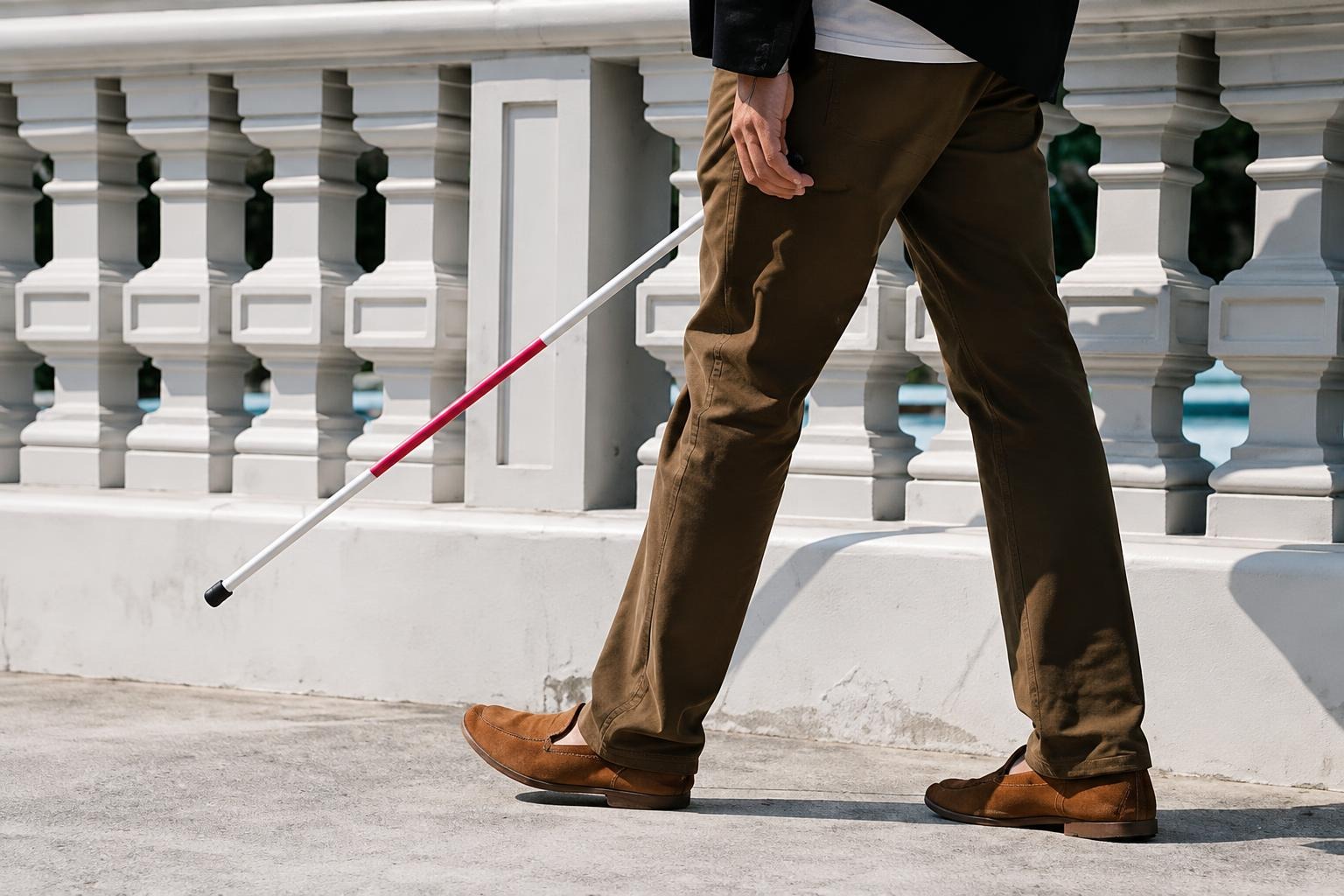
Understanding Blindness

More than 1 billion people live with some type of vision loss around the world. While some are totally blind, the vast majority have some usable vision. Read on to learn about the different types of vision loss and discover how a low vision eye care professional can help.

Woman wearing glasses working on a laptop at a sunny desk

Computer Use For Low Vision

Don't let low vision stop you from using your computer. Here we show you how you can get back to browsing and writing, just as you did before vision loss.

Older man in a cap and brown jacket walking outdoors

Why AMD Patients Need 2 Doctors

One doctor to treat the medical condition by preventing AMD from worsening, and a low vision doctor to maximize the patient’s remaining vision.

Person using a handheld pulse oximeter on a finger over a newspaper

Where Can I Find a Low Vision Doctor?

If everyday tasks, such as reading, cooking, shopping, or using a computer are becoming a struggle, it’s time to see a low vision doctor. Find someone local in your area.

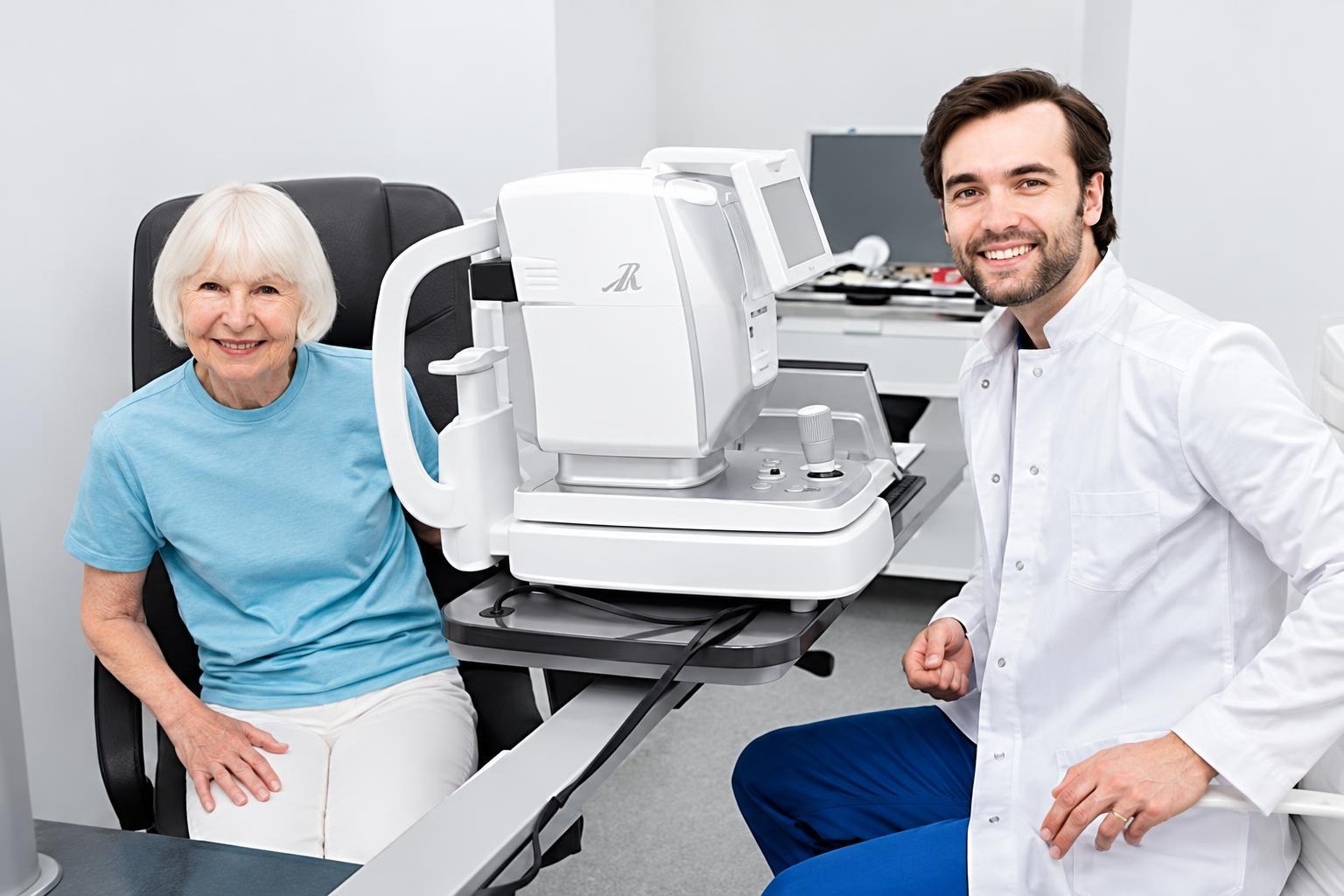
Optometrist and older woman beside an eye examination machine

What Is a Low Vision Exam?

Low vision is permanent vision loss that cannot be corrected with eyeglasses, contact lenses, or other standard treatments like medication or surgery. Your low vision eye doctor will conduct a low vision exam to assess your usable vision and prescribe low vision aids to maximize your vision and improve your quality of life.

Smiling woman wearing eyeglasses outdoors

video testimonials

Watch these patient testimonials to find out how low vision aids and devices helped them improve the quality of their vision - and their lives.